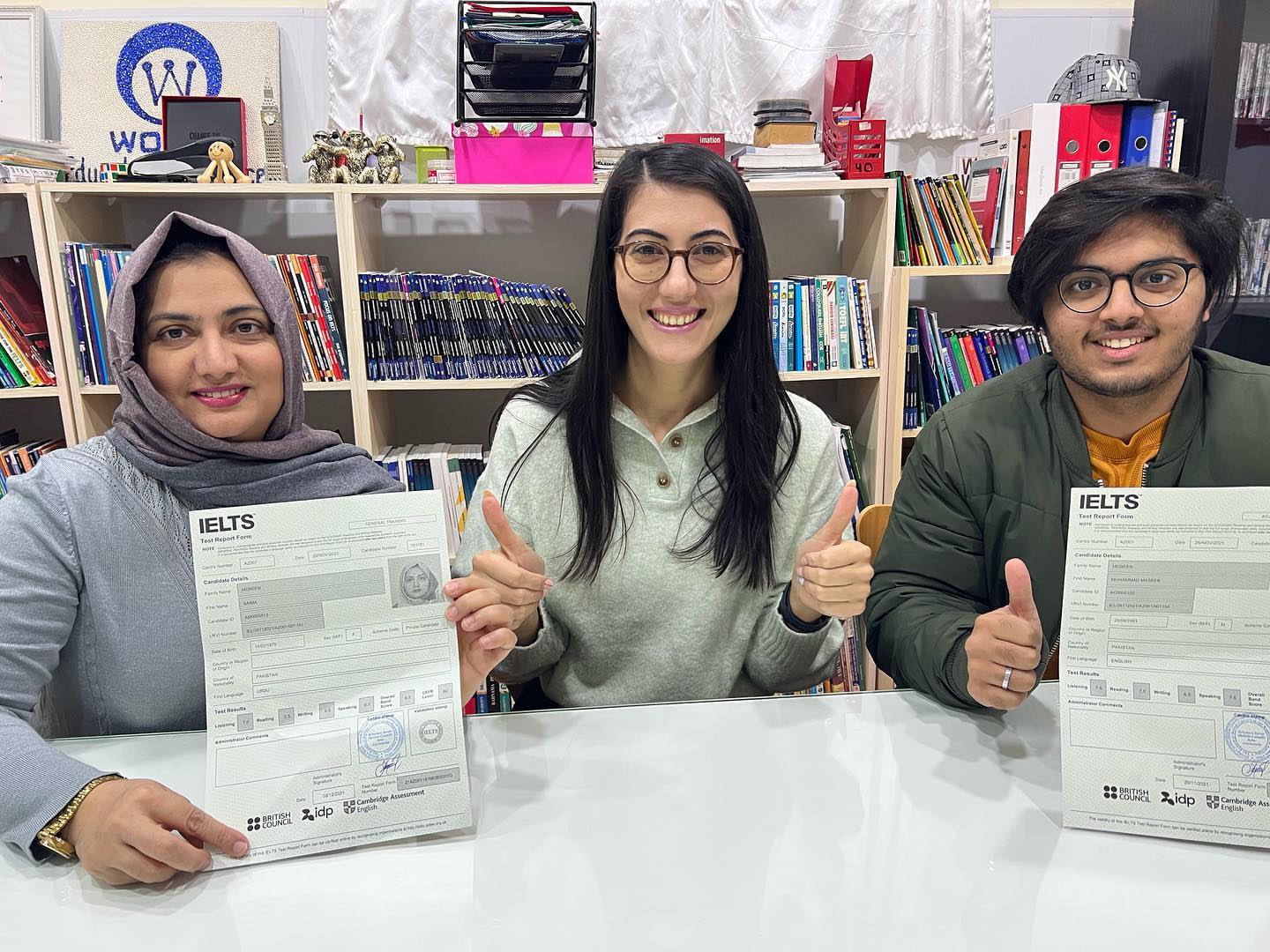
Navigating the IELTS: Understanding the Test and Avoiding Scams
The International English Language Testing System (IELTS) is a worldwide acknowledged English language proficiency test that is taken by countless people each year. It is an essential requirement for individuals looking for to study, work, or move to English-speaking countries. The test assesses a candidate's ability in listening, reading, composing, and speaking. However, the high stakes related to the IELTS have led to a proliferation of frauds, including deals to "buy" IELTS certificates. This short article aims to supply an extensive overview of the IELTS, its importance, and why acquiring a certificate is not just unethical but likewise prohibited.
What is the IELTS?
The IELTS is collectively managed by the British Council, IDP: IELTS Australia, and Cambridge Assessment English. It is designed to evaluate the language efficiency of non-native English speakers who wish to study, work, or live in English-speaking nations. The test is available in 2 formats: Academic and General Training.
- Academic IELTS: This format appropriates for people who want to study at an undergraduate or postgraduate level or join an expert organization in an English-speaking country.
- General Training IELTS: This format is created for individuals who are planning to migrate to an English-speaking country or who are looking to train or study at a below-degree level.
The IELTS Test Structure
The IELTS test is divided into 4 areas, each developed to assess different aspects of language efficiency:
- Listening (30 minutes): Candidates listen to 4 taped texts and address concerns based upon what they hear. The texts range from a conversation between 2 people to a monologue on an academic topic.
- Checking out (60 minutes): The Academic version consists of 3 long texts of increasing difficulty, while the General Training version consists of texts from books, publications, papers, and company handbooks.
- Writing (60 minutes): The Academic variation needs prospects to compose a 150-word report explaining a graph, table, or diagram, followed by a 250-word essay. The General Training variation includes a letter and a 250-word essay.
- Speaking (11-14 minutes): This area is a face-to-face interview with an examiner. It consists of a conversation about familiar topics, a brief speech, and a discussion.
Why is the IELTS Important?
The IELTS is recognized by over 10,000 organizations worldwide, consisting of universities, employers, expert bodies, and immigration authorities. A great IELTS score can open doors to:
- University Admissions: Many universities require a minimum IELTS score for admission to their programs.
- Employment Opportunities: Employers in English-speaking nations typically require a specific level of English proficiency, which the IELTS can demonstrate.
- Migration: Many countries, such as Canada, Australia, and the UK, use IELTS ratings as part of their immigration criteria.
The Risks of Buying an IELTS Certificate
Regardless of the importance of the IELTS, some people are lured to take shortcuts by buying a certificate. This practice is extremely dishonest and unlawful, and it can have serious effects:
- Legal Consequences: Buying or selling a fake IELTS certificate is a criminal offense. If captured, individuals may face legal action, consisting of fines and imprisonment.
- Track record Damage: If an individual is discovered to have used a fake certificate, their reputation can be irreparably damaged. This can affect their future instructional and employment chances.
- Squandered Money: Scammers frequently demand large sums of money for fake certificates, leaving individuals out of pocket and with nothing to reveal for it.
- Ineligibility: Using a fake certificate can lead to instant disqualification from the program or job for which the certificate was intended.
How to Avoid IELTS Scams
To prevent falling victim to IELTS frauds, it is vital to follow these standards:
- Official Channels: Always register for the IELTS through authorities channels, such as the British Council, IDP: IELTS Australia, or Cambridge Assessment English.
- Research: Verify the credibility of any organization or individual offering IELTS preparation or registration services.
- Watch Out For Promises: If a deal appears too excellent to be true, it probably is. No one can guarantee a specific score or supply a shortcut to passing the test.
- Report Suspicious Activity: If you come across a scam, report it to the pertinent authorities and the main IELTS companies.
FAQs About the IELTS
Q: How long is the IELTS test valid?
A: The IELTS test stands for two years. Nevertheless, some organizations may accept ratings that are older, depending on their particular requirements.
Q: How do I register for the IELTS?
A: You can sign up for the IELTS through the main websites of the British Council, IDP: IELTS Australia, or Cambridge Assessment English. The registration process involves filling out an application, paying the test charge, and selecting a test date and location.
Q: How can I prepare for the IELTS?
A: There are a number of ways to prepare for the IELTS, including:
- Practice Tests: Take practice tests to acquaint yourself with the format and types of questions.
- Study Materials: Use official IELTS study materials, such as practice books and online resources.
- Language Courses: Enroll in an English language course to improve your total proficiency.
- Mock Interviews: Practice speaking with a tutor or a pal to enhance your speaking skills.
Q: What is the IELTS band score?
A: The IELTS band score ranges from 0 to 9, with 9 being the greatest. Each section of the test (Listening, Reading, Writing, and Speaking) is scored separately, and the general band score is the average of the 4 section ratings.
Q: Can I retake the IELTS if I am not satisfied with my score?
A: Yes, you can retake the IELTS as lot of times as you like. Nevertheless, buy ielts certificate without exam is very important to wait a minimum of 90 days between test attempts to enable time for improvement.
The IELTS is a valuable tool for individuals looking for to study, work, or live in English-speaking countries. While the test can be challenging, it is important to approach it with stability and devotion. Acquiring a fake IELTS certificate is not only dishonest however also unlawful and can have severe repercussions. By preparing thoroughly and taking the test through authorities channels, prospects can attain their objectives and open doors to new opportunities.